The Cost-Benefit Analysis Of CNC Machine Investment
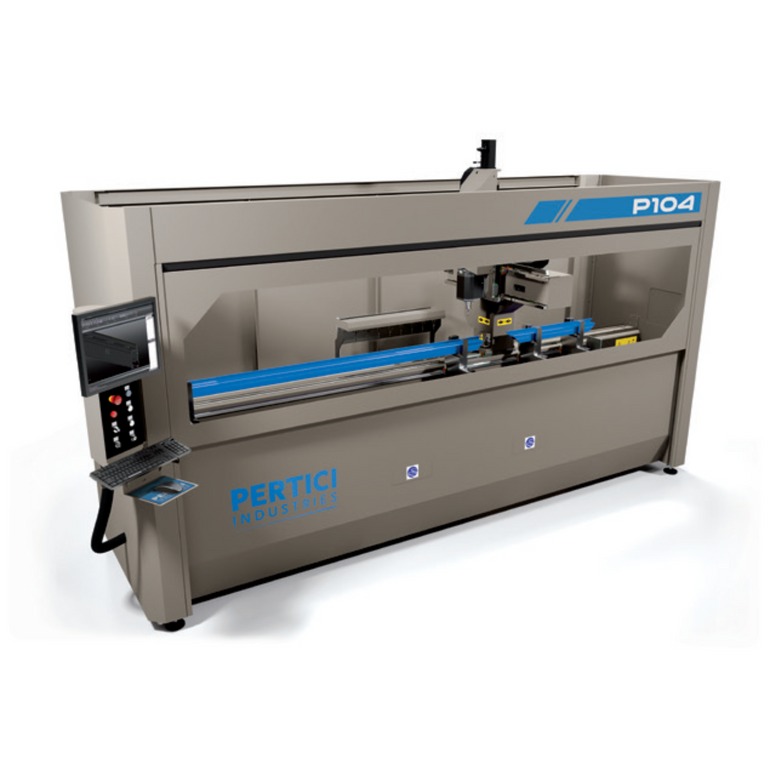
Budgeting for factory upgrades creates intense pressure. Decisions impact cash flow, production speed, and long-term viability. Calculating returns requires careful study of equipment capabilities against capital outlays. Profits arise when precision output lowers waste while increasing volume. Clear financial planning defines the true value gained by adopting CNC machines in UAE.
Initial capital requirements:
Purchasing industrial equipment demands significant upfront cash. The sticker price covers base units, specialized software, and necessary tooling. Shipping, installation, and floor space preparation add layers to the total cost. Companies must evaluate if available capital allows for these expenses without straining daily operations or drying up reserve funds.
Labor efficiency gains:
Automated tools replace manual tasks. Staff members shift from operating controls to overseeing system performance. Fewer errors occur during production cycles. Faster turnaround times allow facilities to handle larger contracts without adding extra shifts. Human workers gain time to focus on quality checks and complex assembly work instead of repetitive cutting tasks.
Precision and waste reduction:
Material waste drains company bank accounts. Manual cutting leads to varied results and scrapped parts. High-end automated systems cut with extreme accuracy every time. Consistent output means every piece meets strict specifications. Savings accumulate as fewer raw materials end up in the trash bin due to human mistakes or tool misalignment.
Maintenance and longevity:
Every machine needs care to perform well. Scheduled lubrication and part replacements prevent sudden breakdowns. Ignoring upkeep leads to expensive repairs and production halts. Regular service keeps equipment accurate for years. Owners should factor these recurring service costs into the total financial plan to avoid surprises when parts need updates.
Energy usage patterns:
Electricity consumption impacts operational margins. Newer models run with better efficiency compared to older technology. Lower power draws translate to cheaper monthly utility bills. Calculating potential energy savings helps justify the acquisition cost. Over years, these small reductions add up to a noticeable portion of the original investment recovery.
Market competitiveness:
Clients demand speed and quality. Companies using advanced tools capture larger market shares. Capabilities expand, allowing shops to accept jobs previously considered impossible. Faster delivery times satisfy buyers, leading to repeat business. Maintaining an edge keeps firms relevant. Spending on technology secures a position in the industry, keeping doors open for future growth opportunities.